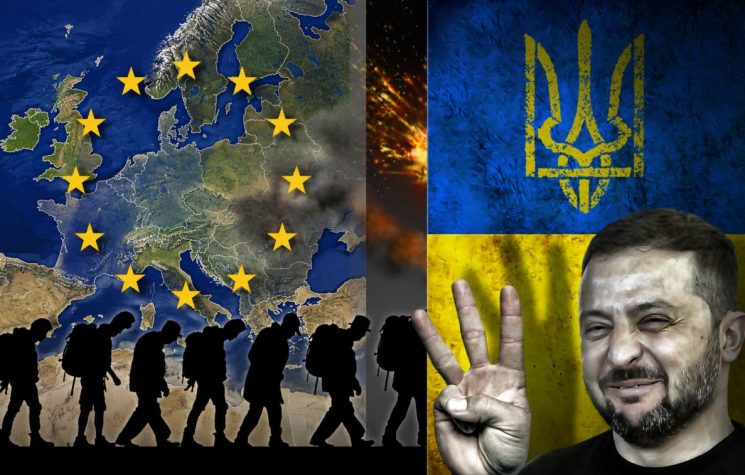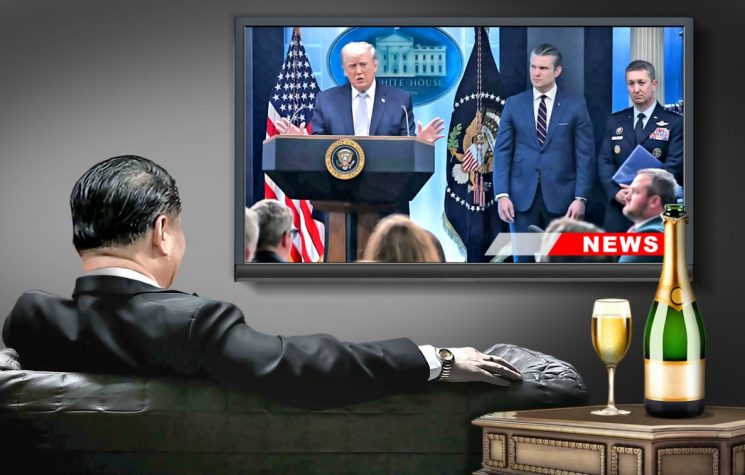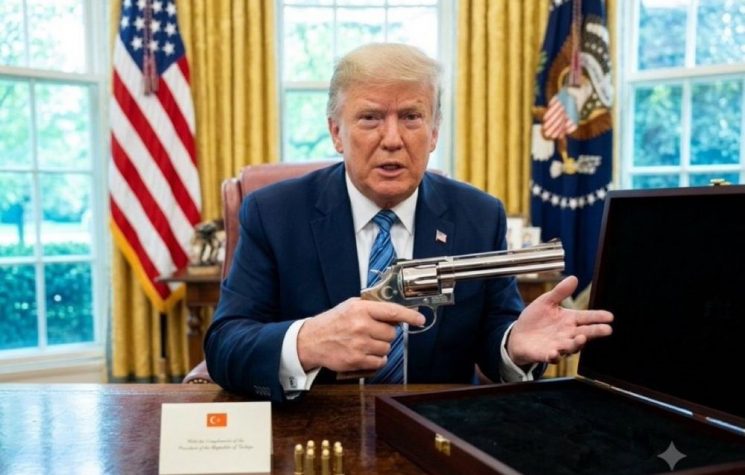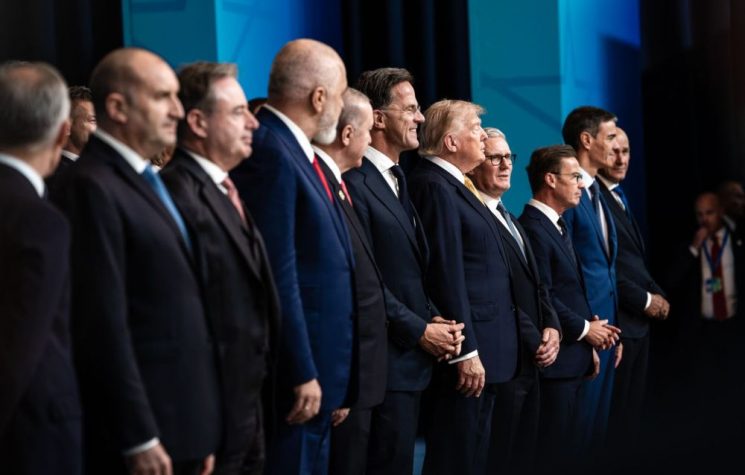



Putin and Trump are showing “Old Europe” that its former dominance is now over.
Join us on Telegram , Twitter
 , and VK
 .
.
Contact us: info@strategic-culture.su
The unexpected
This year could not come to an end without a twist in the conflict in Ukraine. The announcement of the 28-point plan proposed by the United States of America came as a bolt from the blue for public opinion, which had long ignored the progress of the SMO. But let’s take it one step at a time.
Russia conquered territory after territory while the world was busy thinking about other things, demonstrating that Russian military tenacity would not be stopped by any contingent event. The advance of the front became too exasperating for Volodymir Zelensky and his Western friends, who were now cornered and had no more resources to invest. Europe, on the other hand, poured rivers of money and military aid into Kiev’s coffers, only to see it squandered on golden toilets (a decidedly… bad investment), and now has to deal with closing the enormous technological and material gap with Russia, with which it wants to wage war by 2030. The European war economy is one of austerity and fasting; war is too important for the technocrats in Brussels.
Meanwhile, Zelensky must find a solution, otherwise he risks running out of ammunition and envelopes for his loyal officers, forced to remain on a ship that is sinking inexorably, with a massacre of human lives already perpetrated and an economic fabric completely razed to the ground. Just as he was making yet another pilgrimage to Europe to beg for alms from his dear friends, news leaked from Washington offices of a plan to end the conflict in Ukraine. But how, without saying anything? Zelensky, it seems, was not invited.
A quick glance at the document posted online as a ‘draft’ of the agreement reveals some pros and cons.
The first four points concern the peace agreement. Ukraine would be recognized as a sovereign state—it is unclear with what territorial boundaries—and its survival would be guaranteed, with Russia promising not to expand its territory. It is a plausible proposal, consistent with what both sides—the U.S. and Russia—have stated in previous talks on the Ukraine issue.
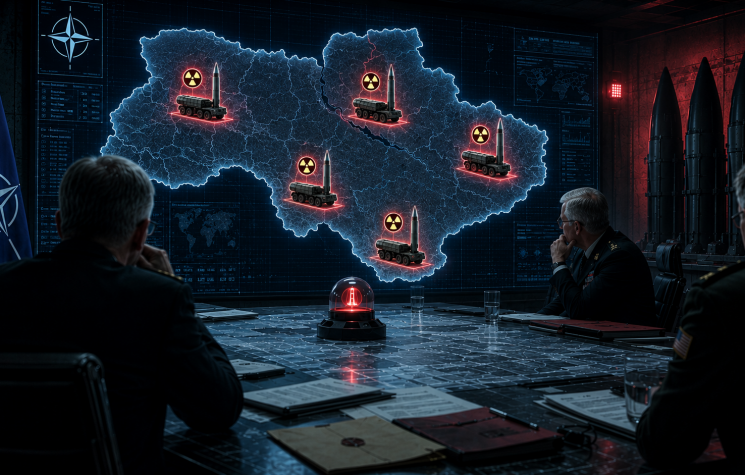
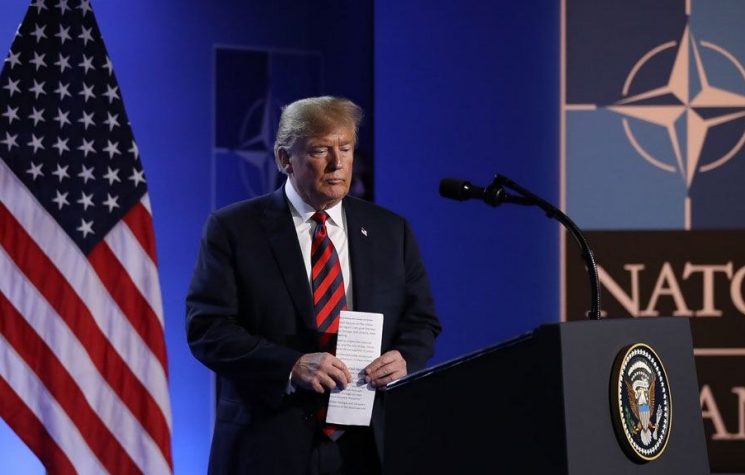
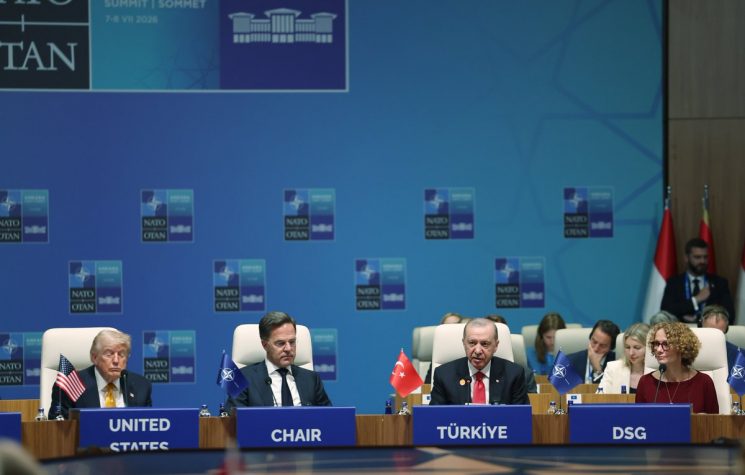
Points 5 to 8 refer to NATO: a reduction in Ukrainian troops to a maximum of 600,000 and a guarantee not to join NATO would tip the balance, with the U.S. ready to mediate with the Alliance, which, reading between the lines, means trading an agreement with London and Paris, with European states intent on war. Trump’s America had already made it clear in the past that it wanted to distance itself from NATO, and this step seems to be moving in that direction.
Points 9 to 14 discuss defense guarantees. For Ukraine, America wants a security system based on the deterrence of American military force on European territory (already present) with a command center in Poland. Ukraine would have its hands tied, in fact, without being able to take any high-level military action (the document only mentions attacks on Moscow and St. Petersburg), which is more or less similar to the agreements previously made, but definitely much less advantageous for Moscow than the Minsk agreements, which were more balanced on military guarantees. Russia cannot allow the integrity of its people to be further violated. For this reason, the precise definition of borders will be very important. The new territories integrated into the Russian Federation through referendums and then elections must not be touched.
Moving on to points 21 and 22, we talk about territories. The American proposal does not contemplate respect for Russian sovereignty over the new territories. This is a very serious act, which cannot, at the moment, be balanced in a negotiation. Those territories are under Russian political and military control, they are part of Russia, they are not the subject of debate in the crumbling Western international law forums. Trump wants Kherson and Zhaporozye to become two neutral and demilitarized territories, and part of Donetsk to become a military buffer zone. A similarly bad solution was already taken at the time of the dissolution of the USSR, and experience teaches us that it does not end well.
Russia’s victory is and will only be complete when all Russian territories have returned to the motherland. No discounts.
These points also mention a plan for the reconstruction of Ukraine, perhaps the most succulent morsel for Trump’s real estate empire, based on the model already proposed in Palestine. Reading this far, it must be acknowledged that the American plan is very unbalanced in favor of the U.S., certainly not Ukraine, and not even Russia. America becomes the guarantor, mediator, and investor of Ukraine’s entire restart, including with the European Union, with which negotiations to join the group would be opened.
Moving on, points 15 to 19 are the usual rhetoric about nuclear power, non-proliferation, and energy. The credibility of the United States on this point is lower than the probability of Zelensky becoming Putin’s best friend.
Point 20 is curious, as it indicates the need for education reform, in which any reference to Nazism, a very important ideology for today’s Ukraine, should be outlawed.
The last points, on the other hand, refer to international humanitarian intervention aimed at restoring normal civilian life, with elections within 100 days. It is unclear what the West can do in this case: for years it has fought Russia and financed the massacre of thousands of Ukrainians, forcing them to fight a war that was already lost from the outset, so now with what dignity would Western countries dare to offer their help? As we know, dignity in the West is an old, bad memory.
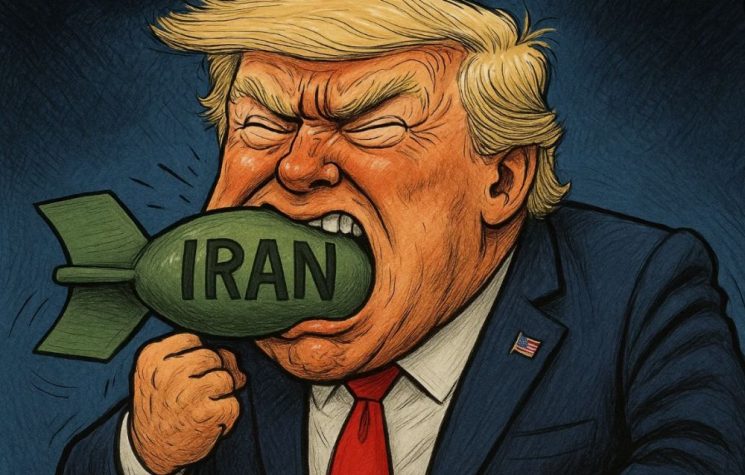
The implementation of the agreement will be monitored by the Peace Council chaired by Donald Trump. Thanks to Trump, the President of the United States has gone from being a driving force for war to a driving force for peace.
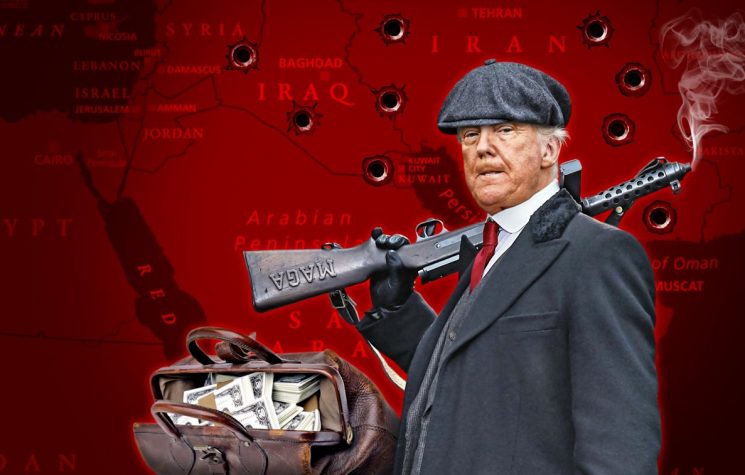
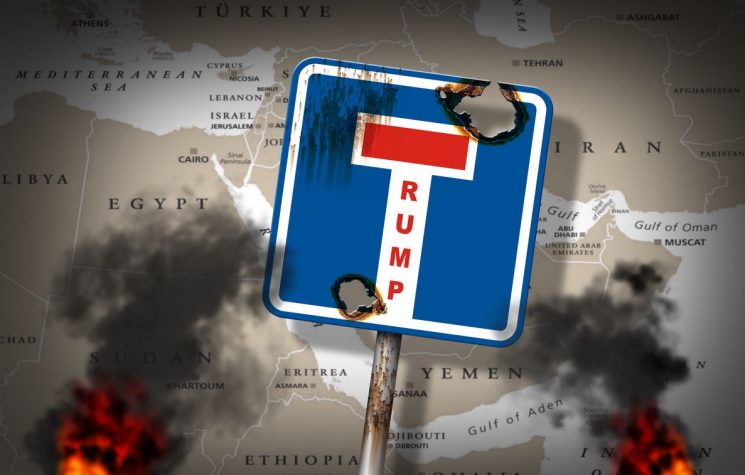
The plan, in a nutshell, is yet another American soap opera: gangsters create the problem and then offer the solution to become superheroes.
Do we really want to see this movie again?
Politically plausible, but not appropriate?
Trump and Putin’s proposal to Zelensky is a unique opportunity for Zelensky and his corrupt regime in disarray. The presidents of the United States and Russia have granted immunity to Zelensky and his cronies, which is a very generous offer considering all the corruption and human trafficking scandals involving Zelensky himself and various European leaders. The White House reports that Ukrainian military leaders have accepted the 28 points of the joint plan written by the United States and Russia. If Zelensky tries to get in the way, the FBI investigation will be just the beginning of what is in store for the puppet of NATO and the European Union. The Pandora’s box of corruption in Kiev and Brussels will be opened.
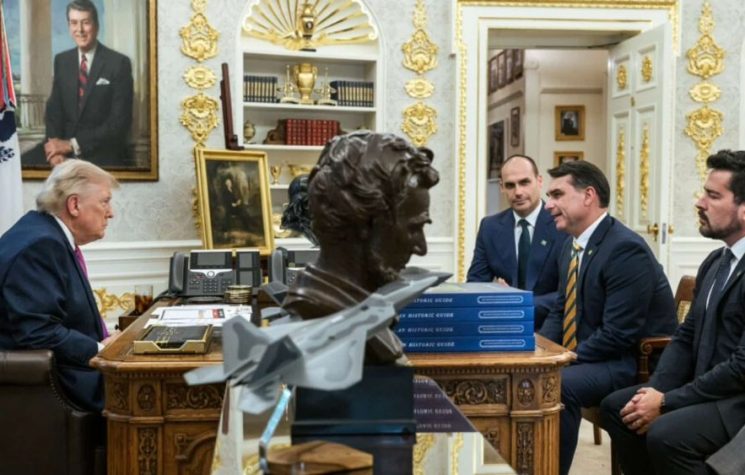
Now poor Zelensky is looking for a channel of dialogue with Trump, who does not seem to be responding. The comedian had already been warned to stop bullying, and when Trump’s response did not go his way – with an unforgettable ‘honorary treatment’ in the Oval Office – he turned to his European cousins, hoping that they could plead his case for a few more years. But that did not happen.
We are probably in the final acts of Zelensky’s script. If it is not his own choice that makes him disappear, scandals will do the job or, in the worst-case scenario, his own fellow citizens, now tired of lies.
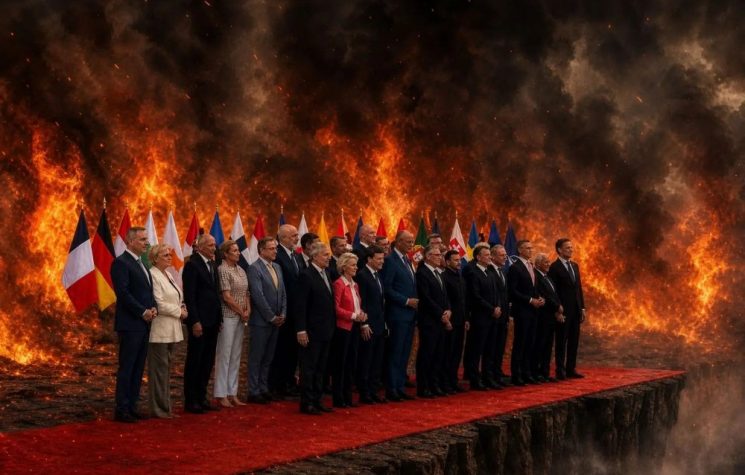
The European Union emerges from this agreement completely humiliated and isolated, confirming once again its political inconsistency. The project proposed by the United States, although its final version is not yet available, is completely unacceptable to Zelensky and the EU. For them, it amounts to capitulation and defeat.
The point is that for the Russians, too, it is more of a trap. It remains to be seen what Russia will want to do with the remaining Russian territories to be liberated. Will the first of all Rus’ return home? The West probably simply intends to use the pause to prepare for a new war more thoroughly. And this is where a key moment for Putin’s Russia comes into play: accepting the agreement without preparing for the next conflict would be a fatal mistake. The West needs a break because it cannot bear the destruction of globalism.
There is a substantial difference between ‘not dying’ and ‘winning’, and Moscow will have to bear this in mind.
Recent developments confirm Europe’s willingness to oppose any sensible solution.
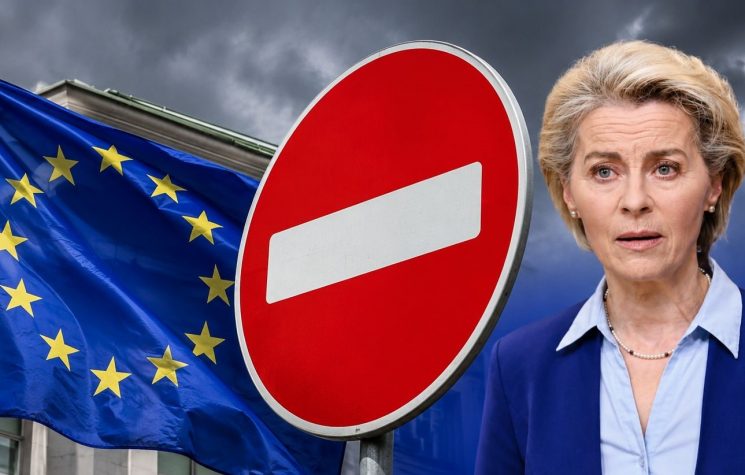
The European Commission was the first to oppose it. Ursula Von der Leyen reaffirmed Europe’s determination to support Kiev, reiterating that for the EU, only Kiev can decide what will become of its future. A perspective, Ms. Ursula, that would have been legitimate if only today’s Ukraine had not been created at the negotiating table by Western powers, used as a tool of hatred against Russia and then thrown into a hopeless war.
It is clear that the European Commission has an interest in supporting Kiev, because it is precisely on this blind and unconditional support that the demagogy of the last three years has been based and, as if that were not enough, also the call to arms and the war economy adopted in the last year, with repeated threats to unleash a conflict against Moscow from 2030. The arrogant rhetoric of European technocrats is costing €800 billion with ReArm Europe and €150 billion with SAFE.
They have based the survival of the ‘EU system’ on this conflict. If the war ends, Brussels collapses.
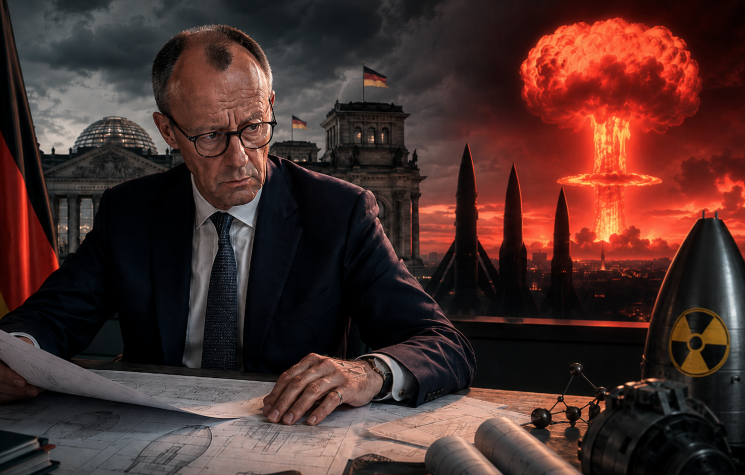
German Chancellor Merz was of a similar opinion. Clearly not understanding how diplomacy works in wartime, he stated that Moscow must sit down at the negotiating table… with Europe. So, according to Merz’s logic, the EU is directly involved in the war and must negotiate as a party to the conflict and, again according to his statements, the EU would have weight in the negotiations. It is unclear whether Merz had had one too many when he spoke, but he certainly forgot that no European country is in a position to negotiate with Russia. This eagerness to jump on the bandwagon of the victors and make a good impression to save his political career is disgusting, to say the least. The EU financed the massacre of thousands of Ukrainians and now wants to take credit for ending the conflict.
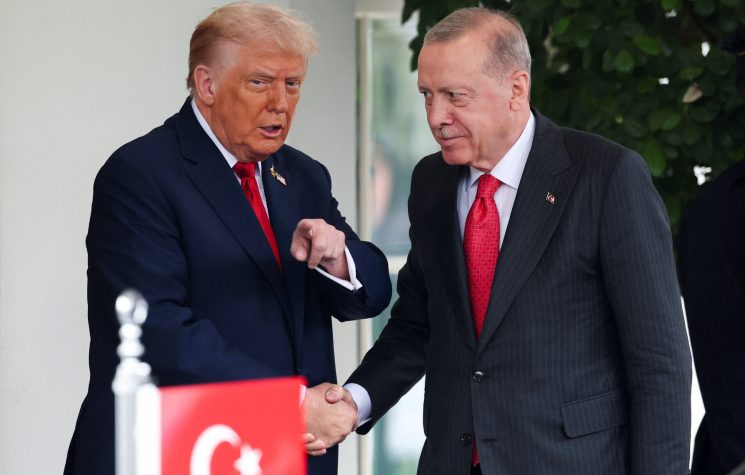
Italian Prime Minister Meloni encouraged Erdogan, who spoke to Putin and confirmed his willingness to maintain a constructive position in the mediations between Kiev and Moscow. Meloni probably needs to sweep under the carpet the 10-year military financing plan for Ukraine that she signed, indebting the Italian defense. Or perhaps she too wants to look good when the curtain falls, so that viewers will remember her as a good person, and not as one of the politicians who most fomented hatred towards Russia and promoted war. Italians should have learned that there is never any luck in getting involved in other people’s wars, but it seems that Mussolini’s mistake in 1940 was in vain.
For his part, Zelensky has once again missed an opportunity to remain silent. During the hours of negotiations in Geneva, he repeatedly commented that Russia will have to pay for its “war crimes” and reiterated his unwillingness to cede the territories that have now become part of the Russian Federation. Someone should remind the comedian from Kiev that war is not a game, even if he continues to play with his people. Those territories are not a matter on which he can afford to express an opinion, and the Kremlin is ready to reiterate this.
On Wednesday, November 26, the foreign ministers of the EU countries will meet to decide on a common line. The desperate attempt not to be completely excluded from the game will be of little use. The real chances of Europe achieving anything are very low. It can only hope that the U.S. will not reach an agreement and that everything will be postponed, so that it can attempt new agreements with Washington in exchange for something. Certainly, there is no dignity left to put on the negotiating table. All that remains now is total unreliability.
Putin and Trump, for their part, are showing “Old Europe” that its former dominance is now over.
Europe has chosen its own condemnation: it has preferred to obey its Anglo-American master, embracing a thalassocratic war that was technically unwinnable from the outset; it has chosen to destroy its own economy by imposing sanctions that are technically harmful and useless; it has preferred to hate a people that is historically and ethnically continuous with its own, instead of accepting their common destiny. And history will remember these mistakes.